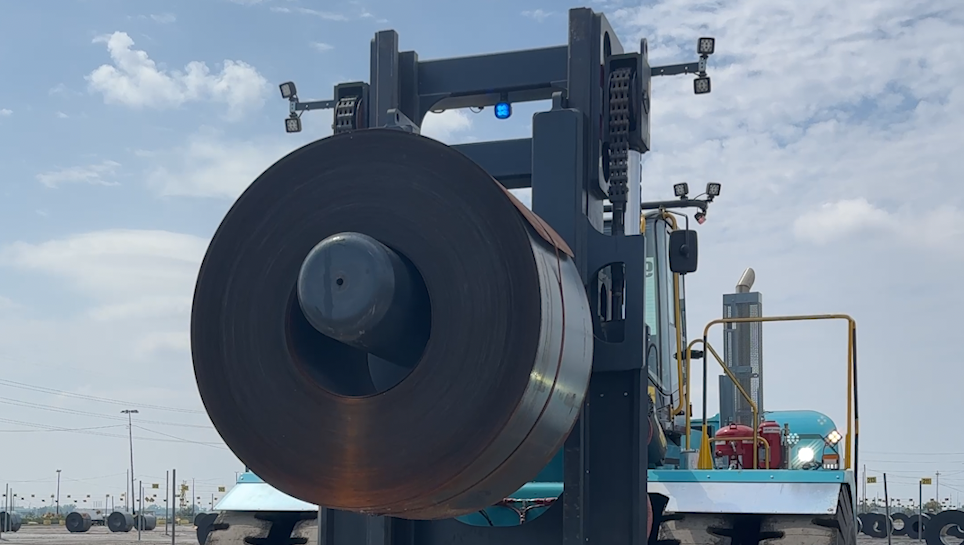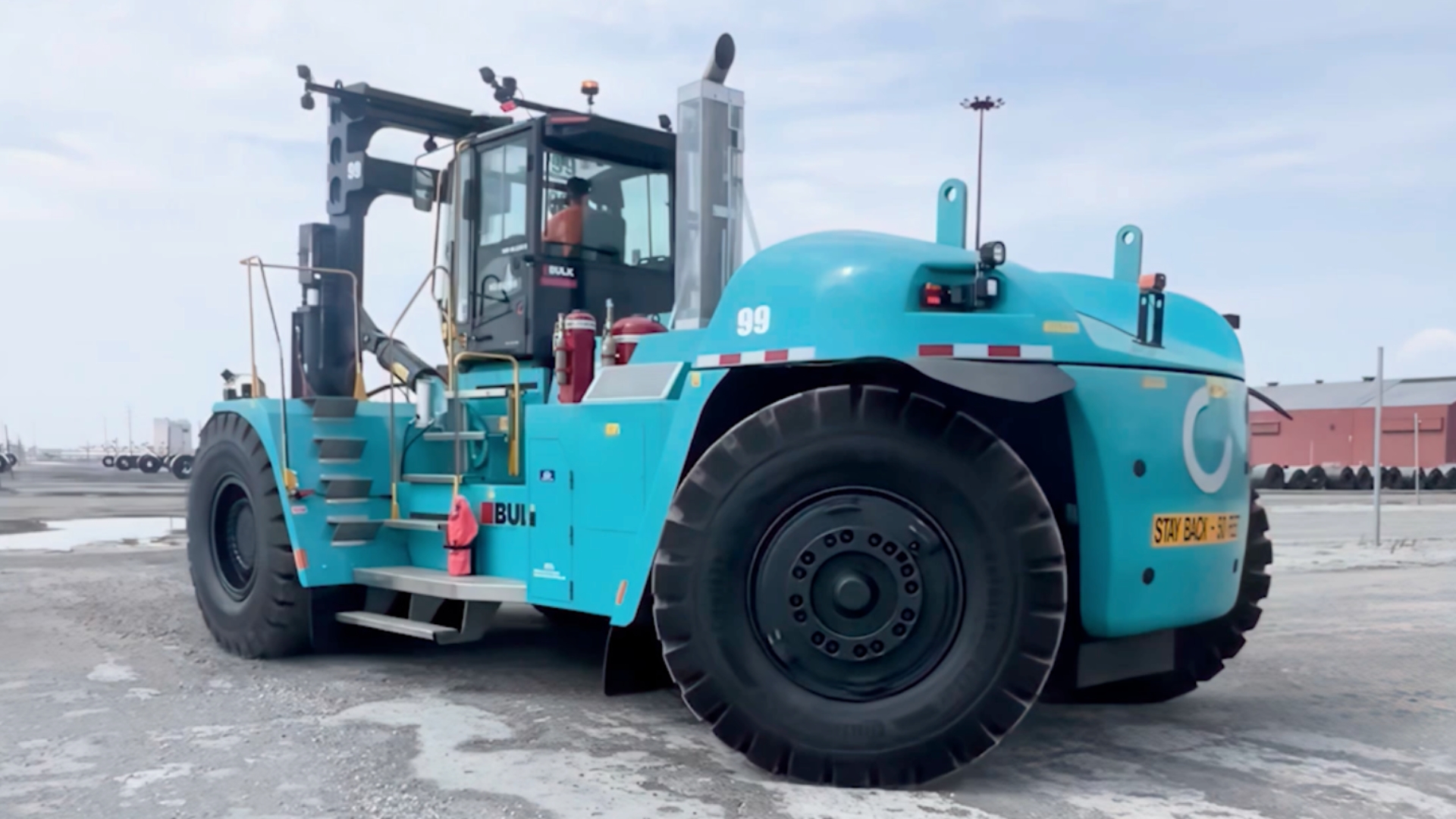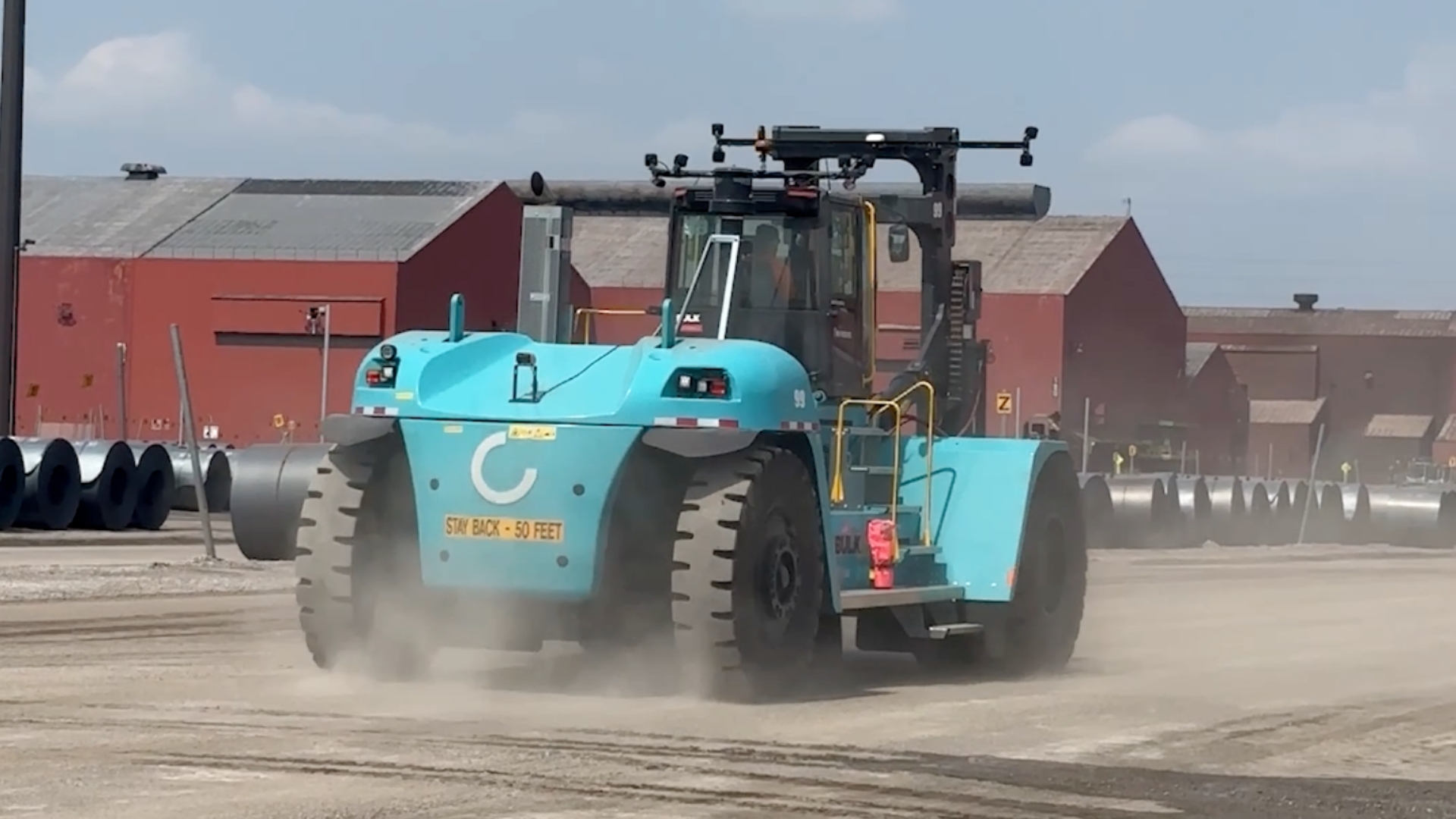
Every hour a lift truck sits idle while the mill is running is product that doesn’t ship. In a steel coil operation moving hundreds of coils a day, that math gets painful fast.
A Real PM Program Is More Than an Oil Change: What Each Interval Actually Covers
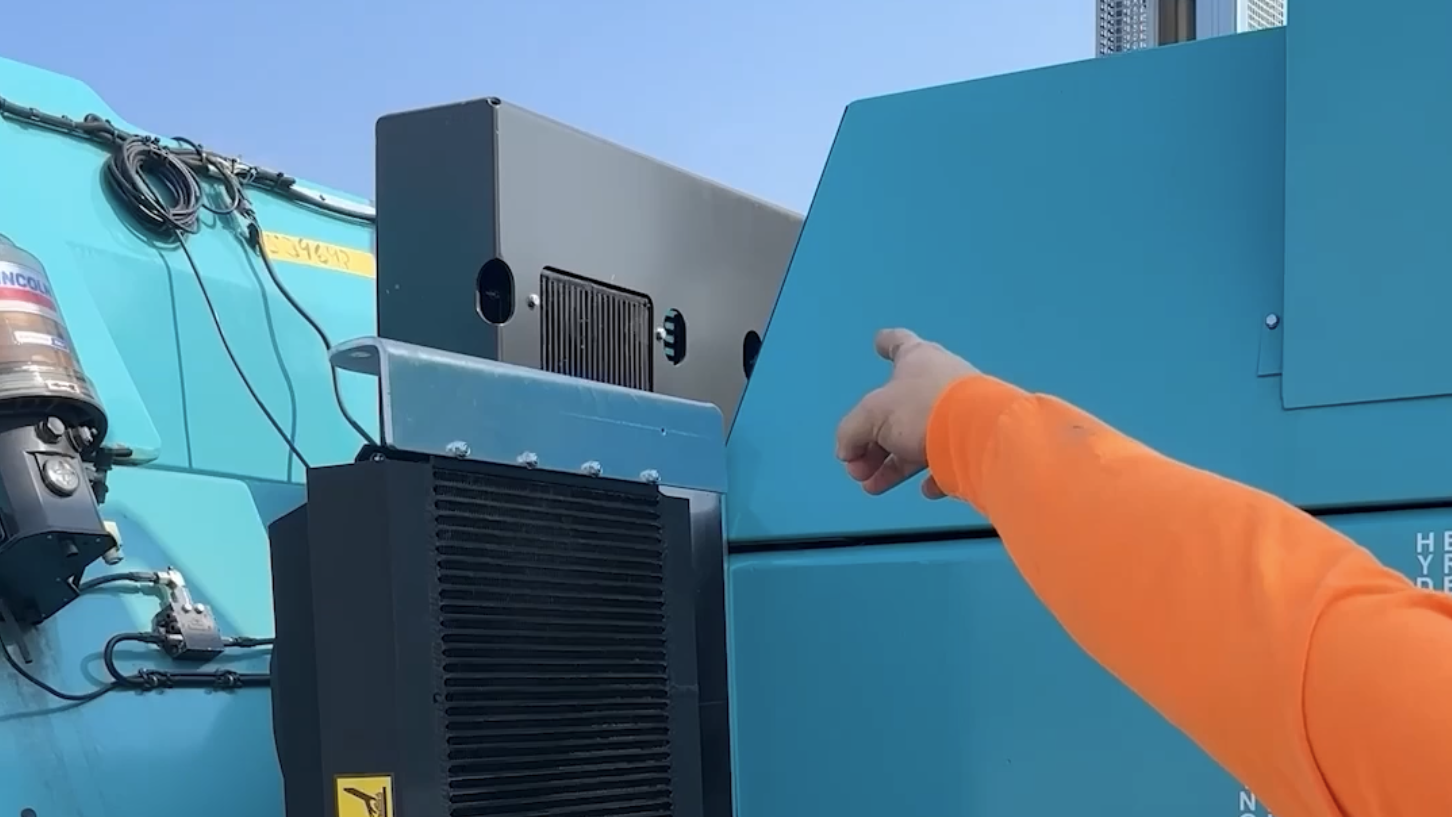
Maintenance intervals on industrial lift trucks run on a 500 and 2,000-hour schedule, and each interval involves more than the last. Beyond fluid changes, every service visit includes chain inspections on the lifting system, tire condition checks, and fire suppression system maintenance on units equipped with it.
Oil sampling is one of the most valuable parts of the program. At each interval, oil is pulled and sent to a lab for analysis. The results show what’s happening inside the machine, how components are wearing, and whether anything is trending toward failure before it becomes a breakdown. It’s the closest thing to a diagnostic blood test the equipment has.
Why Operators Alone Can't Keep a Fleet Running at 90% Uptime
Operators run daily checklists, and that information matters. But operators aren’t mechanics or engineers. They’ll catch what’s visible and obvious. They won’t catch what’s developing underneath. Relying solely on operator reporting means problems compound until they become unplanned downtime.
Trained technicians follow up on what operators report, verify what they’re seeing, and identify what they’re not. That layered approach is what pushes uptime into the 90-plus percent range and keeps it there. Without it, each machine in a fleet like this would be parked for something within less than 1,000 hours.
How Fewer Machines With Better Maintenance Outperformed a Fleet Nearly Twice the Size
The previous provider at this facility ran older equipment and placed less emphasis on preventative maintenance. The result: the customer couldn’t sustain the throughput the operation required, even with nearly double the number of machines on the floor. Ten well-maintained lift trucks on a disciplined PM program outperformed that larger fleet.
The difference is uptime. When a steel coil operation is running at full capacity, moving coils through the yard, out multiple shipping doors, onto trucks and rail cars, every machine has to be available. Downtime isn’t a maintenance metric, it’s a revenue metric. Preventative maintenance, timely repairs, and parts inventory on hand are what keep that from happening.